




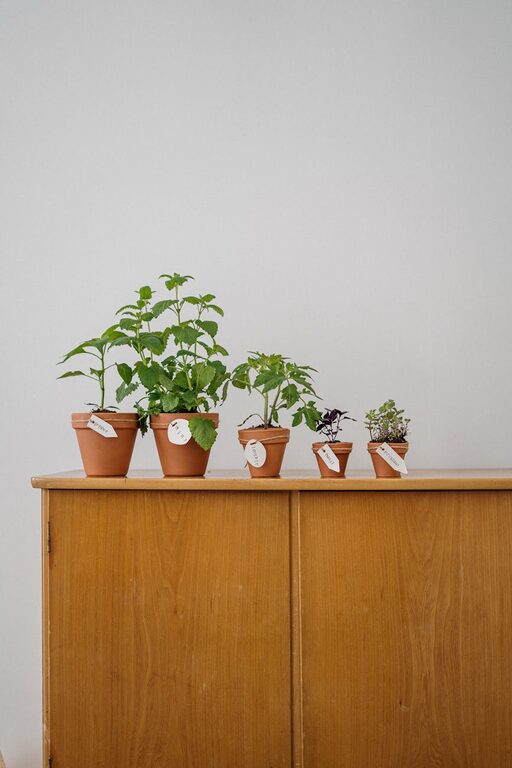
Growing an indoor herb garden is a wonderful way to add fresh flavours to your cooking, improve air quality, and bring a bit of nature inside — even when space is limited. Whether you live in a cosy flat or have just a windowsill to spare, cultivating herbs indoors can be a rewarding and enjoyable hobby. Here are some helpful tips to ensure your indoor herb garden thrives in small spaces.
Choosing the Right Herbs for Indoor Growth
Not all herbs are suited to indoor conditions, so start by selecting varieties that thrive in confined spaces and indoor light levels. Some of the easiest and most popular herbs for indoor gardening include:
– Basil – Loves warmth and bright light.
– Mint – Grows quickly but can be invasive; great in pots.
– Parsley – Prefers moderate light and consistent moisture.
– Chives – Compact and hardy.
– Thyme – Requires good drainage and lots of sunlight.
– Coriander (Cilantro) – Needs cooler temperatures and moderate light.
Pick herbs based on your cooking preferences and the conditions you can provide.
Finding the Perfect Spot and Light
Light is a crucial factor for herb growth. Most herbs need around 6 hours of sunlight daily to flourish.
– Windowsills: South or west-facing windows are ideal as they get the most sunlight. East-facing windows can work for herbs needing less intense light.
– Supplemental Lighting: If natural light is limited, consider using LED grow lights or fluorescent lamps. These can mimic sunlight and help herbs thrive.
– Rotating Pots: Turn your pots regularly to ensure all sides receive light evenly.
If you have particularly low natural light, opt for herbs such as mint or parsley that tolerate shadier conditions better.
Using Suitable Pots and Containers
In small spaces, choosing the right containers is key.
– Size: Use pots that are large enough for the herb’s root system but not too bulky. Typically, a container with a depth of 10-15cm works well.
– Drainage: Ensure pots have drainage holes to prevent waterlogging, which can cause root rot.
– Materials: Lightweight pots such as plastic or resin are easier to move, while terracotta provides better breathability but is heavier.
– Space-saving solutions: Consider vertical gardens, hanging planters, or stackable pots to maximise limited areas.
Soil and Watering Best Practices
Herbs need well-draining soil to stay healthy.
– Use a good quality potting mix designed for indoor plants or herbs.
– Avoid garden soil, which can be too dense and may contain pests.
– Water your herbs when the top inch of soil feels dry to the touch.
– Be careful not to overwater; soggy soil leads to root problems.
– Use a watering can or spray bottle for gentle watering.
– Consider adding a layer of gravel or small stones at the bottom of pots to improve drainage.
Feeding Your Herbs
Even indoor herbs require nutrients to grow well.
– Feed them with a balanced, water-soluble fertiliser every 4-6 weeks during the growing season.
– Follow the instructions on the packaging carefully to avoid over-fertilising.
– Organic options like diluted fish emulsion or seaweed extracts can also be good choices.
Managing Temperature and Humidity
Herbs thrive best in stable, comfortable indoor conditions.
– Aim to keep room temperature between 18-24°C.
– Avoid placing herbs near drafts, radiators, or air conditioning vents.
– Indoor air can be dry, especially in winter; herbs benefit from some humidity.
– Mist your plants occasionally or set a small humidifier nearby.
– Grouping plants together can also raise the humidity around them.
Regular Maintenance and Harvesting
Keep your indoor herb garden healthy with regular care.
– Prune herbs frequently to encourage bushy growth and prevent legginess.
– Harvest leaves as needed but avoid taking more than one-third of the plant at once.
– Check for pests such as aphids or spider mites and treat promptly with natural insecticidal soap if needed.
– Remove yellowing or dead leaves to keep plants tidy and healthy.
Creative Space-saving Ideas
– Use magnetic containers or pots attached to metal surfaces like refrigerators.
– Grow herbs in repurposed containers such as teacups, jars, or wooden boxes.
– Create a mini indoor herb garden using a tiered plant stand.
– Combine several herbs in a single large planter for an attractive, compact display.
Final Thoughts
Growing a successful indoor herb garden in small spaces is well within reach with the right choices and care. By selecting suitable herbs, providing adequate light, using proper containers, and keeping up with watering and feeding, you can enjoy fresh, home-grown herbs all year round. Not only will they enhance your kitchen and meals, but they’ll also bring a touch of greenery and freshness to your living space. Happy gardening!