









Creating a home workspace that is both relaxing and productive can make a significant difference in your daily work routine. Whether you work remotely full-time or occasionally need a quiet spot for personal projects, setting up an environment that inspires focus and calm is essential. Here are some helpful tips to design a home office that nurtures your well-being and effectiveness.
Choose the Right Location
Find a Quiet Spot
Start by selecting a part of your home that tends to be quiet with low foot traffic. This might be a spare bedroom, a corner in the living room, or an unused nook. The goal is to minimise distractions so you can concentrate. If possible, avoid busy areas like the kitchen or hallway.
Consider Natural Light
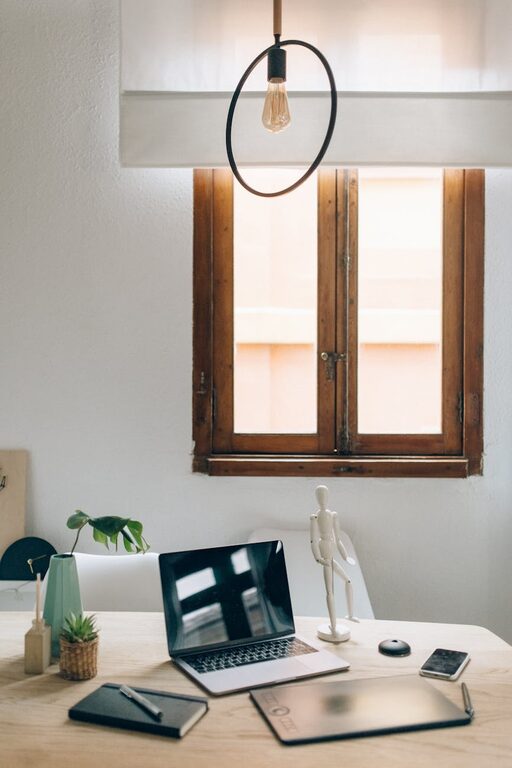
Position your workspace near a window if you can. Natural light has been shown to improve mood and energy levels, helping you stay alert and feel more positive. However, be mindful of glare on your computer screen. Use curtains or blinds to adjust light levels as needed.
Invest in Comfortable Furniture
Choose an Ergonomic Chair
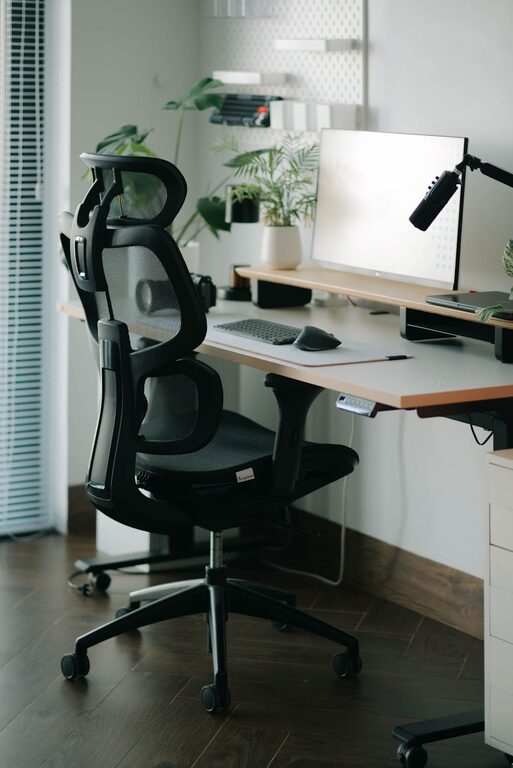
A good chair will support your posture and reduce strain on your back and neck. Look for an ergonomic design with adjustable height and lumbar support. Sitting comfortably can help you focus longer without fatigue or discomfort.
Get a Suitable Desk
Your desk should offer enough space for your computer, documents, and other essentials. It also needs to match your height to avoid poor posture. If possible, consider an adjustable desk that lets you alternate between sitting and standing throughout the day.
Keep Your Workspace Organised
Declutter Regularly
A cluttered desk can distract and overwhelm you. Take a few minutes each day to tidy up and clear away unnecessary items. Use storage boxes, trays, or drawers to keep papers and stationery organised.
Use Cable Management
Cables and chargers left tangled can create a messy look and may become a tripping hazard. Use clips, ties, or a cable organiser to keep everything neat and easy to access.
Personalise Your Environment Tastefully
Add Calming Elements
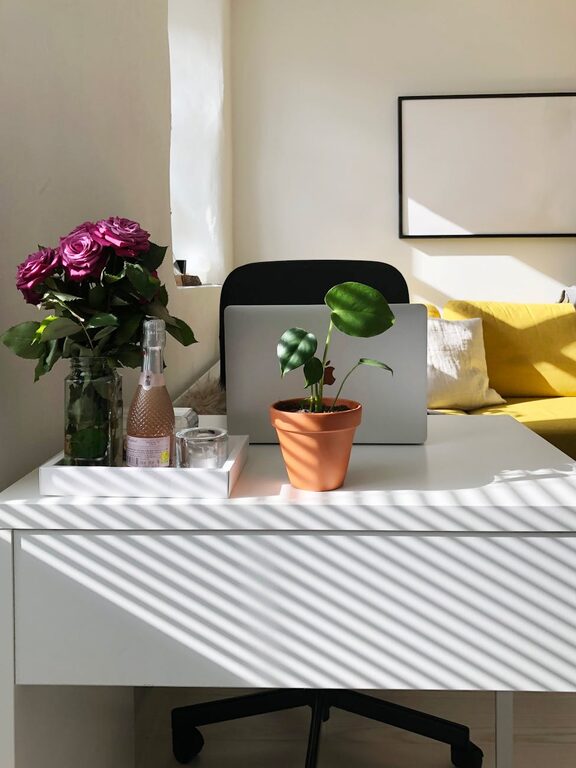
Incorporate aspects that help you feel relaxed. This can be a small plant, soft lighting, or a scented candle. Plants not only improve air quality but also add a touch of nature, which can reduce stress.
Use Colours Wisely
Colours affect mood and concentration. Soft blues, greens, and neutrals tend to create a peaceful atmosphere. Bright or bold colours might energise you but can also be distracting if overused. Choose a colour palette that feels right for your work style.
Optimise Lighting
Combine Natural and Artificial Light
Too dim lighting can strain your eyes, while overly bright or harsh lights may cause headaches. Use a mix of natural light, ceiling lights, and desk lamps to create a balanced and comfortable setting. Adjustable lamps with warm light tones can be especially pleasant.
Manage Noise
Use Noise-Cancelling Headphones or Background Music
If you cannot find a naturally quiet spot, noise-cancelling headphones are a great investment. Alternatively, some people prefer soft background music or ambient sounds like nature recordings to drown out distractions and promote focus.
Communicate Boundaries
If you share your living space with others, explain your working hours clearly. Setting expectations helps minimise interruptions and shows respect for your workspace.
Incorporate Technology Wisely
Keep Essential Devices Close
Make sure you have easy access to your computer, printer, phone, and other tools you need daily. This reduces time spent searching for items and keeps your workflow smooth.
Minimise Digital Clutter
Organise your files and desktop digitally to match your physical organisation. Use folders, labels, and shortcuts to find documents quickly without frustration.
Take Regular Breaks
Follow the 20-20-20 Rule
Every 20 minutes, look at something 20 feet away for at least 20 seconds. This can help reduce eye strain caused by prolonged screen time.
Stretch and Move
Set a timer to remind yourself to stand, stretch, or take a brief walk every hour. Regular movement supports circulation and helps reset your focus.
Create a Daily Routine
Start and End with Intention
Begin your workday with a quick review of tasks and priorities. Conclude by tidying your workspace and outlining the next day’s plan. This routine helps separate work time from personal time, even when both happen in the same room.
Dress for Work
Changing into work-appropriate clothing can signal to your brain that it’s time to focus. It may seem small, but this can increase your motivation and professionalism.
—
By thoughtfully designing your home workspace around comfort and organisation, you create an environment that supports both relaxation and productivity. Experiment with these tips and discover what setup works best for your unique needs. A well-planned workspace can make working from home an enjoyable and effective experience.